Shade-loving plants are perfect for bringing life to those cooler, darker corners of your garden where grass or sun-seeking flowers might struggle. Here are some of the best varieties categorized by their style:
1. Hostas (Foliage Favorites)
Hostas are the kings of the shade garden. They come in hundreds of varieties, ranging from miniature sizes to massive leaves, with colors like lime green, deep blue-green, and variegated white.
- Why they’re great: They are incredibly hardy and create lush, tropical-looking ground cover.
- Care: Keep the soil moist; they are magnets for slugs, so use copper tape or organic pellets if needed.
2. Bleeding Hearts (Lamprocapnos spectabilis)
These classic cottage garden perennials produce unique, heart-shaped flowers that dangle from arching stems in late spring.
- Why they’re great: They add a whimsical, romantic feel to woodland areas.
- Care: They often go dormant in the heat of summer, so plant them near ferns or hostas that will fill in the gap later.
3. Ferns
From the feathery Lady Fern to the architectural Ostrich Fern, these ancient plants thrive in damp, shady spots.
- Why they’re great: They provide excellent texture and a sense of “wild” nature.
- Care: Most ferns love moisture and rich, organic soil.
4. Heuchera (Coral Bells)
These are grown primarily for their stunning foliage, which comes in colors like deep purple, bright orange, silver, and neon green.
- Why they’re great: They offer year-round color in many climates and produce tiny, bell-shaped flowers on tall wands.
- Care: They prefer partial shade (dappled light) and well-drained soil.
5. Astilbe
If you want bright color in the shade, Astilbe is a top choice. They produce tall, plume-like flowers in shades of pink, red, and white.
- Why they’re great: The fern-like foliage looks beautiful even when the plant isn’t blooming.
- Care: They are “thirsty” plants—do not let the soil dry out.
6. Hydrangeas
Specifically the Hydrangea macrophylla (Bigleaf) and Hydrangea quercifolia (Oakleaf) varieties.
- Why they’re great: They provide massive flower heads and can act as a structural shrub for your garden.
- Care: They need “morning sun and afternoon shade” to prevent the leaves from wilting in the heat.
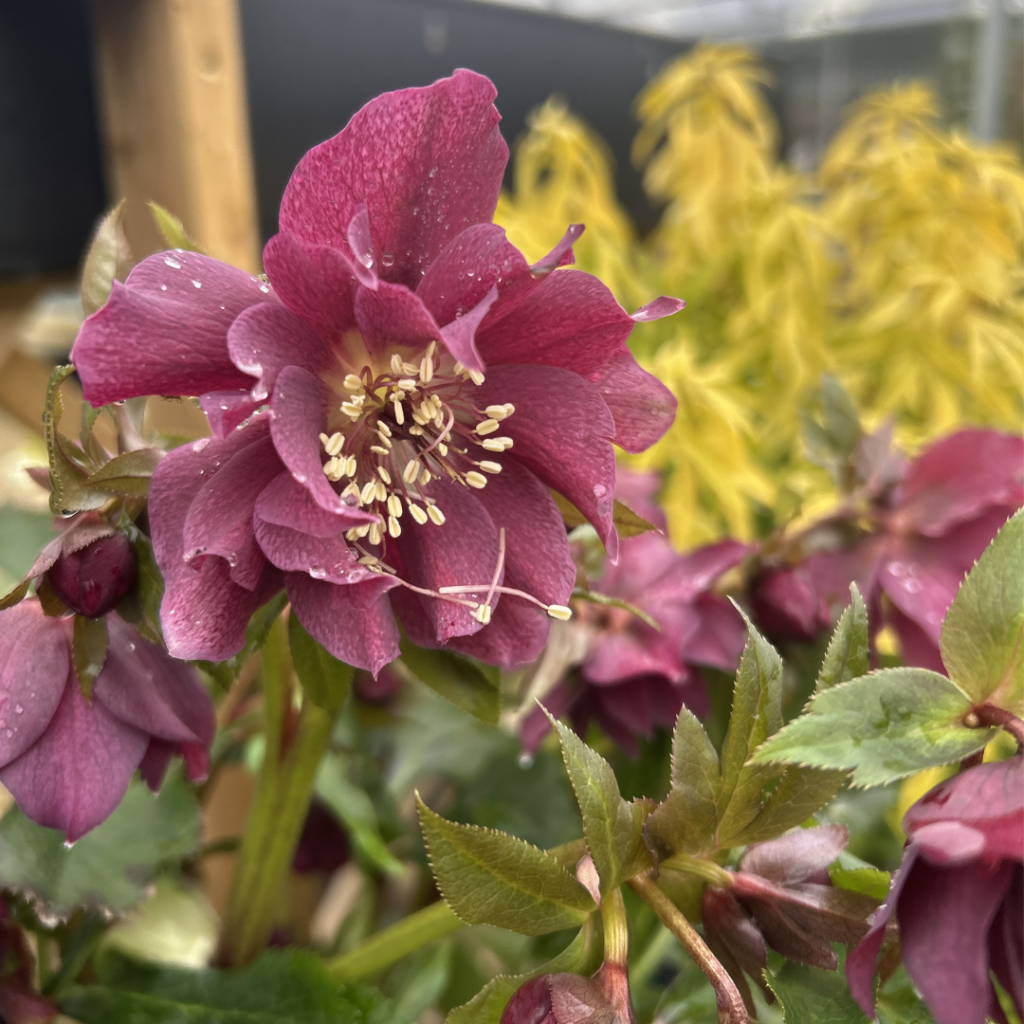
7. Hellebores (Lenten Rose)
These are some of the earliest bloomers, often flowering in late winter or very early spring when the rest of the garden is asleep.
- Why they’re great: They have evergreen leathery leaves and elegant, nodding flowers.
- Care: Very low maintenance once established; they prefer well-drained soil.
Quick Tips for Shade Gardening:
- Identify your shade: “Deep shade” (under evergreen trees) is different from “Dappled shade” (light filtering through deciduous leaves). Choose plants accordingly.
- Lighten it up: Use plants with white or silver variegated leaves (like ‘Jack Frost’ Brunnera) to “glow” and brighten up dark corners.
- Mulch well: Shade plants often enjoy forest-like conditions, so use organic mulch or leaf mold to keep the roots cool and moist.