
Berries For The Birds
Berries are one of the most important natural foods for birds. They provide quick energy, essential fats, and nutrients that birds need for nesting, migration, and surviving winter. Many bird species depend on berries when insects are scarce, especially in fall and winter.
Berry-producing plants also do more than supply food. Trees, shrubs, vines, and ground plants that bear berries create shelter, nesting sites, and safe places for birds to hide from predators. Because berries ripen at different times of the year, a variety of plants can support birds across all seasons.
Native berry plants are especially valuable. Birds recognize them, digest them easily, and spread their seeds, helping maintain healthy ecosystems. By planting berry-producing plants, people can support local bird populations while creating a more vibrant and wildlife-friendly landscape.
Birds rely heavily on berries for energy, especially during fall migration and winter. Different types of plants provide berries at different times of year and attract different bird species. Below is a clear, bird-focused overview.
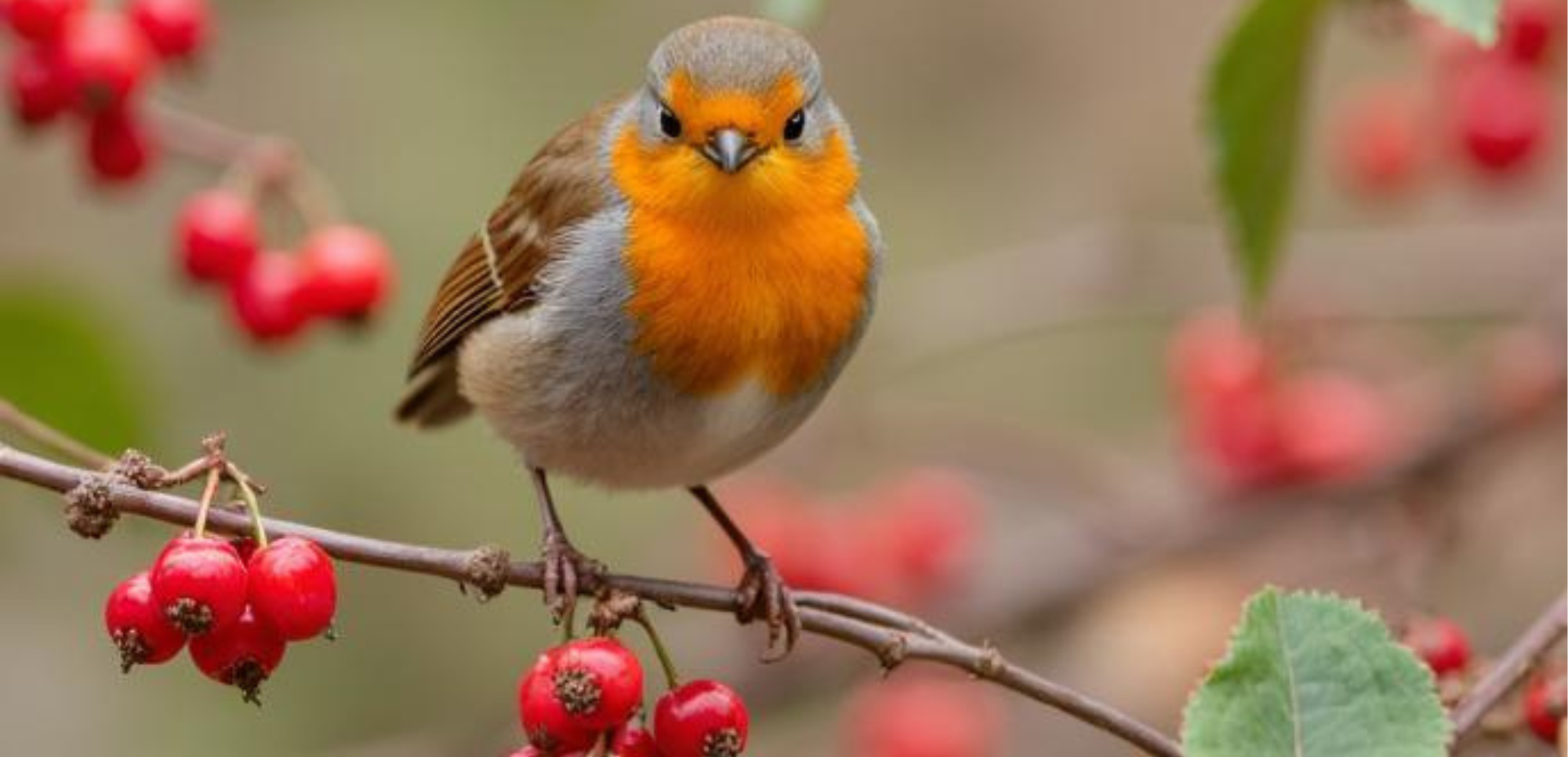
Why berries matter to birds 🐦
- High energy: Sugars and fats fuel migration and winter survival
- Seasonal timing: Some berries persist into winter when insects are scarce
- Habitat support: Berry plants provide shelter and nesting sites too
1. Trees with berries
Best for medium to large birds; often fruit in late summer–winter.
Common berry trees
- Serviceberry (Amelanchier) – early summer fruit; loved by robins, cedar waxwings
- Holly (Ilex) – winter berries; attracts thrushes, mockingbirds (needs male + female plants)
- Mountain ash (Sorbus) – fall berries; waxwings, grosbeaks
- Crabapple – persistent winter fruit; many species
- Mulberry – summer berries; popular with orioles, tanagers
Birds attracted
Robins, waxwings, bluebirds, thrushes, cardinals
2. Shrubs with berries
Excellent for backyard bird habitat; many fruit heavily.
Common berry shrubs
- Elderberry – summer fruit; one of the best wildlife plants
- Viburnum – fall berries; very high bird value
- Dogwood (Cornus) – fall fruit; rich in fats
- Blueberry / Huckleberry – summer; native species are best
- Winterberry (Ilex verticillata) – bright winter berries
Birds attracted
Bluebirds, catbirds, cardinals, sparrows, thrushes
3. Vines with berries
Provide both food and cover.
Common berry vines
- Wild grape – fall; excellent for many species
- Virginia creeper – fall berries; very attractive
- Trumpet vine – berries plus nectar earlier in season
- Bittersweet (native species only) – winter food
Birds attracted
Woodpeckers, finches, robins, mockingbirds
⚠️ Avoid invasive bittersweet (Oriental bittersweet)
4. Ground plants & low-growing berry plants
Important for smaller birds and forest-edge species.
Examples
- Strawberry (wild) – summer fruit
- Bearberry – evergreen groundcover; winter berries
- Partridgeberry – winter-persistent fruit
- Raspberry / Blackberry – summer; also great cover
Birds attracted
Towhees, thrushes, grouse, sparrows
5. Seasonal importance
- Spring–summer: Serviceberry, mulberry, blueberries (nesting support)
- Fall migration: Dogwood, viburnum, elderberry
- Winter survival: Holly, crabapple, winterberry, partridgeberry
Planting a mix ensures year-round food.
Berries that are SAFE for birds but toxic to humans
- Holly berries
- Virginia creeper berries
- Pokeweed (excellent for birds!)
Berries to avoid planting (poor or harmful for wildlife)
- Nandina (can be toxic to birds in cold weather)
- Privet (invasive in many areas)
- Burning bush (invasive, low nutrition)
Best tip for bird-friendly planting 🌱
Choose native plants for your region—they:
- Produce berries birds recognize
- Have higher nutritional value
- Support insects birds also need