
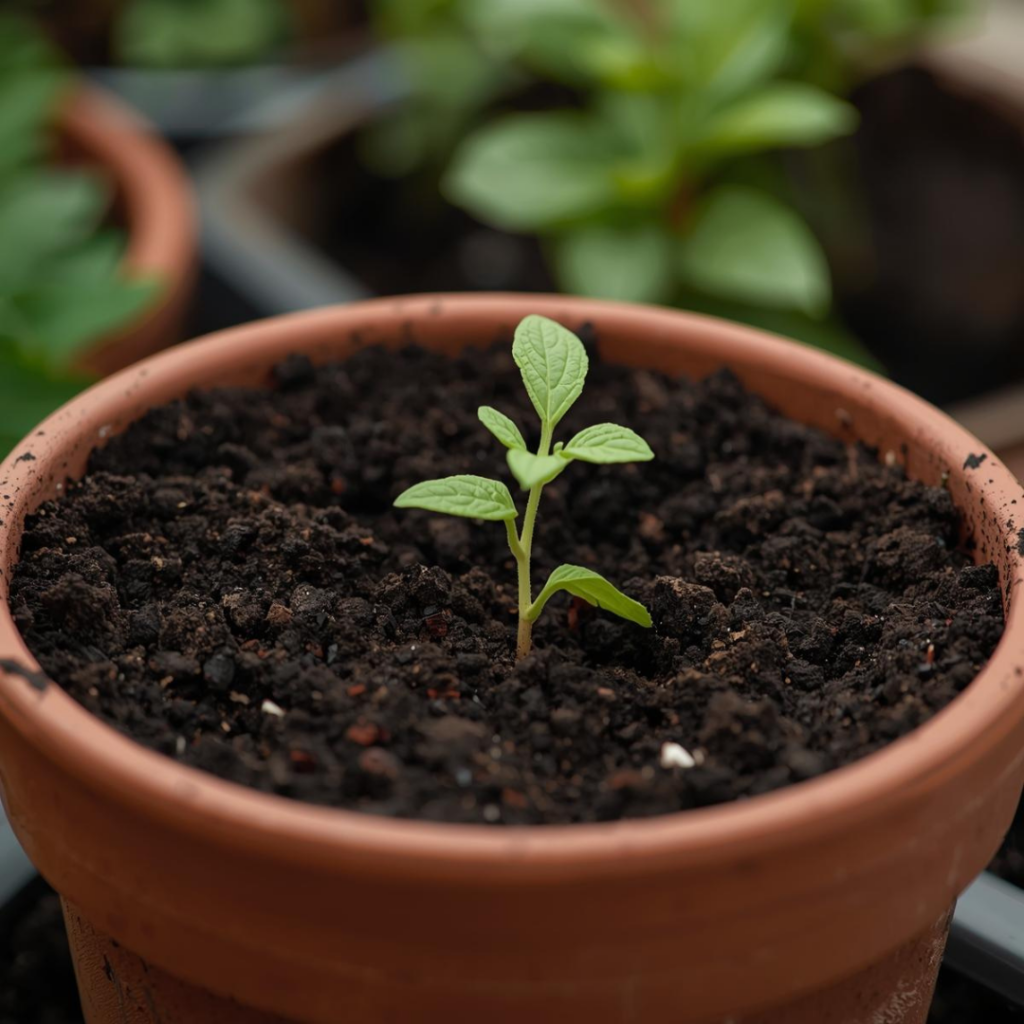
In the UK, February is a “bridge” month. While the ground is often still cold or frozen, the increasing daylight (especially after Valentine’s Day) means it’s time to start sowing seeds indoors or under protection.
Here is your guide to what to plant right now:
1. In the Greenhouse or Indoors (With Warmth)
These “slow starters” need a long growing season and a consistent temperature of around 18–21°C to germinate.
- Vegetables: * Chillies & Peppers: These need the earliest start to ensure they ripen by summer.
- Tomatoes: Start early varieties now if you have a heated greenhouse or a very bright, warm windowsill.
- Aubergines: Like chillies, they take a long time to get going.
- Onions & Leeks: Sowing from seed now gives them time to grow into large, sturdy bulbs/stems.
- Flowers:
- Sweet Peas: Soak them overnight, then sow in deep pots (like toilet roll tubes) to allow for long root growth.
- Snapdragons (Antirrhinums): Very tiny seeds that need light to germinate; sow them on the surface of the soil.
- Geraniums (Pelargoniums): Starting them now ensures blooms by early summer.
2. Under Cover (Unheated Greenhouse / Cold Frame)
These are hardier plants that can handle cooler nights as long as they aren’t hit by direct frost.
- Broad Beans: Start them in pots for a head start; they are tough and will be ready to plant out in March.
- Peas: Sow in “gutters” or modules to prevent mice from eating the seeds in the garden.
- Hardy Salads: Lettuce, spinach, and oriental greens (like Pak Choi or Mizuna) can be started now.
- Brassicas: Summer cabbage, cauliflower, and Brussels sprouts can be sown in trays.
3. Outdoors (Direct Sowing)
Only do this if your soil isn’t frozen or waterlogged. If the soil is “workable,” you can sow:
- Broad Beans: Varieties like ‘Aquadulce Claudia’ are exceptionally hardy.
- Garlic & Shallots: If you didn’t get them in during autumn, plant the cloves/sets now.
- Parsnips: They need a very long time to germinate, so getting them in early (under a cloche/fleece) is beneficial.
- Radishes: A quick-growing crop that doesn’t mind the cool weather.
4. Other February Jobs
- Chitting Potatoes: Place your seed potatoes in egg cartons in a light, frost-free room to encourage “chits” (sprouts) to grow before planting in March/April.
- Bare-Root Planting: February is the last good month to plant bare-root fruit trees, roses, and raspberry canes while they are still dormant.
Quick Tip for February Sowing:
Beware of “Leggy” Seedlings. Because light levels are still relatively low, seedlings on windowsills often stretch toward the glass, becoming thin and weak. Turn your pots daily and, if possible, use a small LED grow light to keep them stocky and strong.